
Military-Run Vote in War Zones; APHR Rejects Myanmar’s Election as it enters Second Phase
January 13, 2026
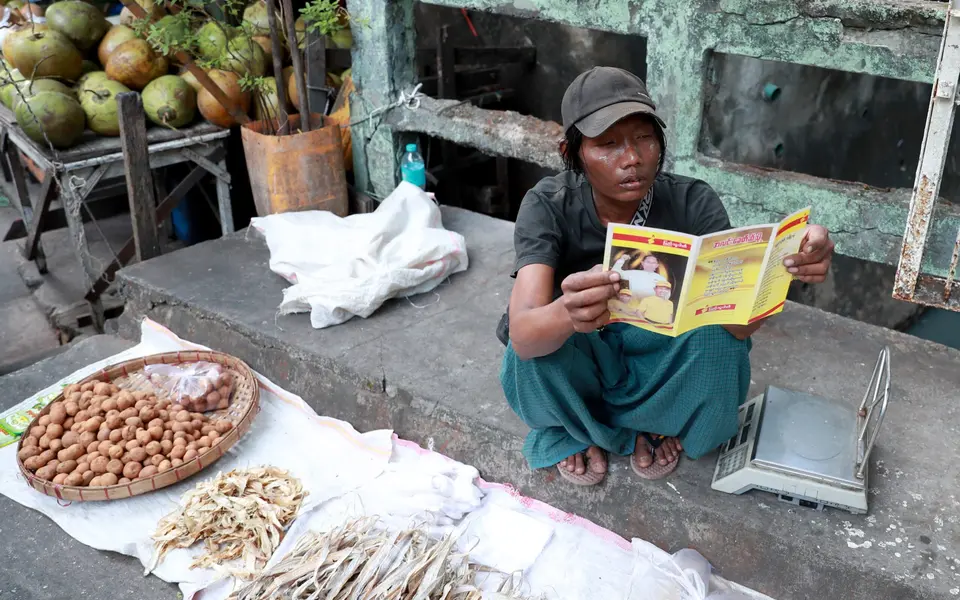
KUALA LUMPUR, 13 January 2026 — ASEAN Parliamentarians for Human Rights (APHR) expresses grave concern over the second phase of Myanmar’s so-called general election. Conducted amid active armed conflict, repression, and the exclusion of democratic actors, this process lacks credibility and cannot be regarded as a genuine step toward civilian rule.
Nearly five years after the military seized power in February 2021, the junta is attempting to use this election to claim political legitimacy. APHR firmly rejects this effort. Elections held under conditions of war, political imprisonment, media censorship, and fear cannot reflect the freely expressed will of the people of Myanmar.
APHR notes that Myanmar’s election is being carried out in three phases across a limited portion of the country, with voting taking place in just over 100 of Myanmar’s 330 townships in the first phase and roughly another 100 in the second, while at least 60 townships remain excluded due to ongoing conflict and insecurity.
Early results released by the junta-appointed election commission show that the military-backed Union Solidarity and Development Party (USDP) has already secured overwhelming victories in the first phase, predetermining the election outcome. This dominance is reinforced by the 2008 Constitution, which reserves 25 percent of parliamentary seats for the military, ensuring control regardless of electoral results.
The human rights situation makes any credible electoral process impossible. According to the Assistance Association for Political Prisoners (AAPP), more than 22,000 people remain detained for political reasons, and over 7,600 civilians have been killed by security forces since 2021.
The UN Special Rapporteur on the situation of human rights in Myanmar, Tom Andrews has urged the international community to reject the election, citing widespread coercion, violence, political exclusion, and the continued detention of political prisoners observed during the first phase of voting.
Hon. Mercy Chriesty Barends, Chairperson of ASEAN Parliamentarians for Human Rights, stated: “You cannot claim a democratic transition while thousands of political prisoners remain behind bars and communities continue to suffer from military violence. Legitimacy cannot be built on repression.”
Despite the junta’s claims of progress, voting has taken place in a fragmented and heavily militarized environment. Large parts of the country remain excluded, while many communities are participating under conditions of displacement, intimidation, and fear.
Charles Santiago, Co-Chairperson of ASEAN Parliamentarians for Human Rights, said “With a civil war underway, democratic opposition excluded, and political freedoms eliminated, these elections cannot be free or fair. How credible can an election be in a war and violent environment?”
APHR also notes the consistent concerns raised by regional leaders with long-standing engagement on Myanmar and ASEAN affairs.
Kasit Piromya, APHR Board Member and former Thai Foreign Minister, said:
“Elections conducted under military rule, without peace, inclusion, or fundamental freedoms, will only deepen Myanmar’s crisis and prolong the suffering of its people.”
The election has deliberately excluded genuine democratic participation, with the National League for Democracy (NLD) dissolved and opposition groups detained, imprisoned, or rendered ineligible. Reports from affected communities indicate that many civilians feel compelled to vote due to pressure from local authorities and security forces, rather than as an exercise of free political choice.
Arlene Brosas, APHR Board Member and former Philippine Member of Parliament, said “When opposition leaders are imprisoned, parties are dissolved, and civilians forced to vote under fear, this is not democracy but coercion. ASEAN must not allow such an election to be used as a diplomatic shield for continued military rule.”
APHR warns that legitimizing this electoral process risks further entrenching conflict within Myanmar and exacerbating instability across the region. Continued violence has already driven displacement and humanitarian suffering, with serious implications for the region. ASEAN’s credibility and commitment to democratic principles are also at stake.
APHR calls on:
- ASEAN and its Member States to unequivocally reject the legitimacy of Myanmar’s military-engineered election and refrain from recognizing any government formed through this process.
- The United Nations and the international community to align with the UN Special Rapporteur’s assessment and deny the junta political legitimacy, including through targeted measures against those responsible for repression and electoral manipulation.
- ASEAN parliamentarians and democratic institutions to intensify engagement with Myanmar’s democratic representatives and support an inclusive, civilian-led political process.
- International organizations and civil society actors to demand accountability for grave human rights violations and the immediate release of all political prisoners, including Daw Aung San Suu Kyi.
APHR stands firmly with the people of Myanmar. An election conducted under military control, amid war and repression, cannot deliver democracy, peace, or legitimacy.
###

ASEAN Parliamentarians for Human Rights (APHR) was founded in June 2013 with the objective of promoting democracy and human rights across Southeast Asia. Our founding members include many of the region's most progressive Members of Parliament (MPs), with a proven track record of human rights advocacy work.