
ASEAN MPs Call for Collective Action as Rohingya Crisis Deepens
April 08, 2026
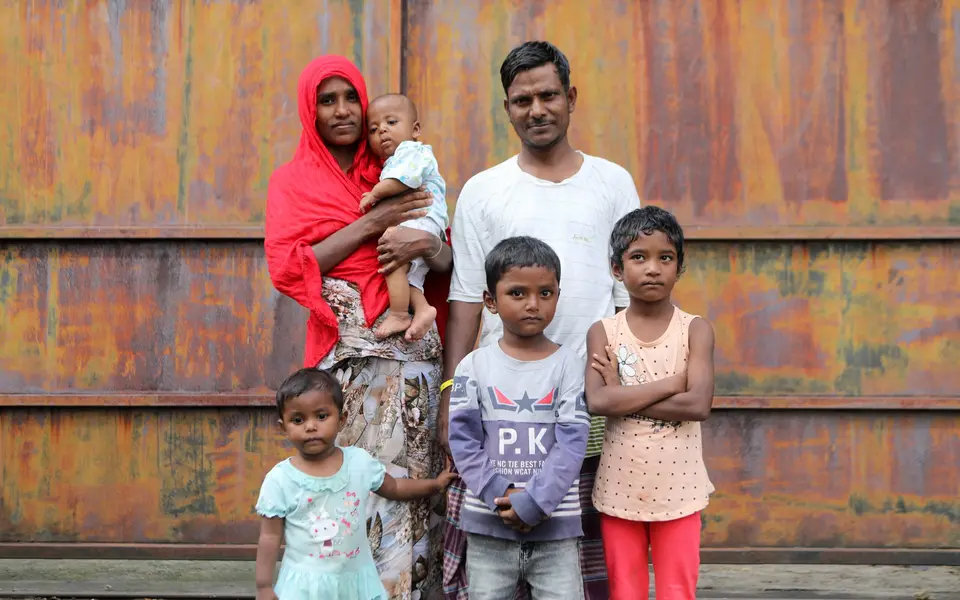
JAKARTA, 08 April 2026—ASEAN Parliamentarians for Human Rights (APHR) calls on ASEAN and its member states to take urgent and coordinated action to address the worsening food insecurity and deteriorating conditions in refugee camps in Cox’s Bazar, Bangladesh—host to more than one million Rohingya, almost half of whom are children.
During APHR’s advocacy mission to Cox’s Bazar in 2025, the World Food Programme (WFP) warned of imminent food shortages as funding from the United States Agency for International Development (USAID) and other international donors continued to decline.
As conditions in the camps worsen, WFP recently implemented its Targeting and Prioritization Exercise (TPE), recognizing that levels of vulnerabilities vary among the Rohingya. Under this tiered system, approximately 17% of refugees, classified as “food insecure” receive as little as USD 7 per person, while about one-third of the population, categorized as “extremely food insecure,” continue to receive USD 12 per person.
Amid protests from Rohingya refugees over continued cuts to food rations, WFP stated that available funding will only sustain assistance until November 2026.
Hungry in overcrowded camps, Rohingya communities continue to face threats in their security with rising cases of crimes including arms and drug smuggling, kidnapping, and trafficking. The closure of learning centers in the camps last year has further exacerbated vulnerabilities of children, leading to increased cases of child marriage and child labor.
The ongoing persecution of Rohingya and worsening human rights crisis in Myanmar mean that safe, voluntary, and dignified repatriation remain impossible. As the camp population continues to grow with the influx of refugees and childbirths in the camps, sustained aid and resources must flow in to meet the needs of the Rohingya.
APHR urges ASEAN and its member states, the newly appointed UN Special Rapporteur on the human rights situations in Myanmar Kelley Anne Eckels-Currie, and the broader international community—including non-ASEAN nations like China—to take immediate action, including:
- Establishing an ASEAN Humanitarian and Crisis Fund to deliver life-saving support and prevent mass hunger among Rohingya refugees and host communities;
- Increasing humanitarian aid, through WFP and other agencies, to prevent mass hunger and meet the needs of Rohingya;
- Strengthening protection measures in the camps, including efforts to combat trafficking, child labor, and gender-based violence; and
- Supporting ongoing cases seeking justice and accountability for Myanmar junta’s war crimes and genocide against the Rohingya
APHR further calls on the government of Bangladesh to:
- Adopt targeted and regulated measures to expand livelihood opportunities for Rohingya refugees, including access to sector-specific work permits, to reduce aid dependency and enhance self-reliance.
- Continue to uphold protection standards and work with international partners to sustain and restore access to education, healthcare, and livelihood support programs.
With no sustainable solution in sight, Rohingya communities continue to suffer in the overcrowded camps, uncertain if there will be food on the table and a safe path back home. The struggle to survive of more than one million Rohingya in the world’s largest refugee camp demands urgent, coordinated action and sustained international attention. ASEAN and the international community must act urgently.
—
For inquiries:
Elsa Jade
Myanmar & Crisis Response Program Coordinator
[email protected]
Neal Roxas
Media and Communications Officer
[email protected]

ASEAN Parliamentarians for Human Rights (APHR) was founded in June 2013 with the objective of promoting democracy and human rights across Southeast Asia. Our founding members include many of the region's most progressive Members of Parliament (MPs), with a proven track record of human rights advocacy work.