
APHR to COP30: Typhoons, Plunder & Performative Diplomacy Threaten Lives in Southeast Asia
November 11, 2025
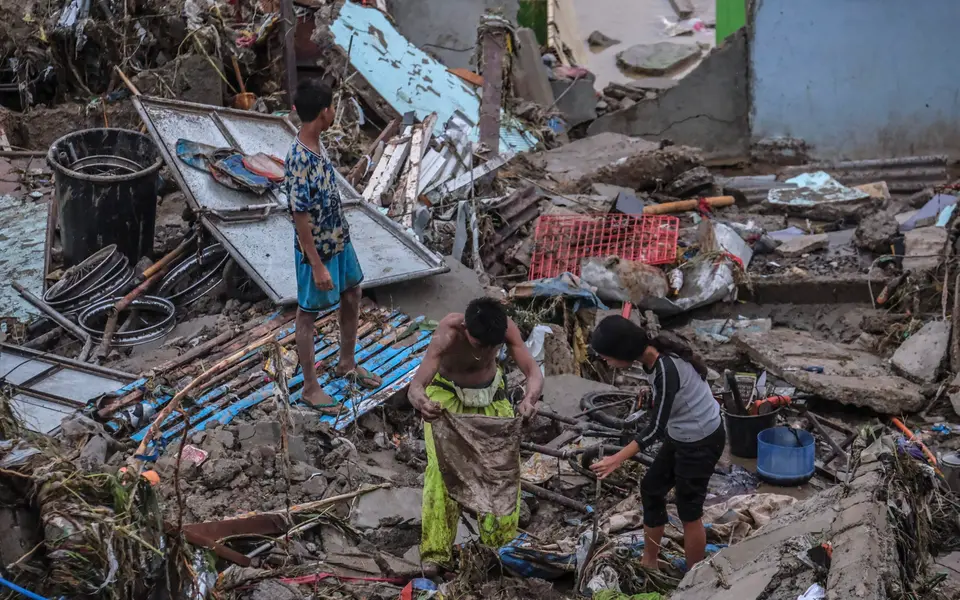
KUALA LUMPUR, 11 November 2025— As COP30 opens, frontline communities across Southeast Asia are facing the deadly impacts of the climate crisis, while governance failures and environmental plunder continue to undermine human rights and ecological justice.
ASEAN Parliamentarians for Human Rights (APHR) stress that the recently adopted ASEAN Declaration on the Right to a Safe, Clean, Healthy and Sustainable Environment offers a crucial framework for regional cooperation, but without immediate and clear legislative action it risks remaining symbolic.
In the Philippines, communities are reeling from the impacts of Typhoon Fung Wong, which struck Luzon, displacing more than 1.4 million people including fisherfolk communities and triggering widespread flooding and landslides. This devastation comes less than one week after Typhoon Kalmaegi, which had already strained emergency services, destroyed homes and disrupted livelihoods. Recovery and response has been further hindered by corruption and weak disaster governance, leaving frontline communities more vulnerable to repeated climate shocks.
In Indonesia, corporate-owned nickel mining continues to harm communities and ecosystems. At the Morowali Industrial Park on Kabaena Island, polluted waters and air emissions have destroyed fish farms and caused widespread respiratory illness. In North Maluku, the Save Sagea Coalition is challenging mining licenses that threaten water catchments, ancestral lands and fisheries. Despite repeated violations, corporate accountability and government oversight remain weak.
In Thailand, APHR warns that the country’s air pollution crisis is intensifying due to industrial-scale maize and monocrop burning. This releases high levels of PM2.5, a harmful short-lived climate pollutant (SLCP) that often exceeds WHO safety limits, threatening public health and heightening the vulnerability of rural and urban communities already burdened by climate change and weak environmental governance.
Across Southeast Asia, Japan’s fossil fuel agenda, through the Asia Zero Emission Community (AZEC), threatens the lives and ecosystems of communities. In fact, Malaysia is slated to host the world’s largest offshore carbon-capture-and-storage (CCS) facility with the completion of the Kasawari project by 2028, despite local opposition; while similar expansion plans are underway in Indonesia and Thailand.
These profit-driven projects and government neglect perpetuates the further degradation of the environment, loss of lives and delays a people-centered energy transition in the region.
Therefore, in this critical juncture, APHR insists that COP30 must be more than another meeting. It is a critical chance for Southeast Asian parliamentarians, government ministries and heads of state to translate regional and global frameworks and uphold the recent adoption of the ASEAN Declaration on the Right to a Safe, Clean, Healthy and Sustainable Environment.
As representatives of the people from one of the most climate-vulnerable regions in the world, lawmakers must protect frontline communities, hold polluters accountable and advance renewable energy for the public good.
Without swift enforcement of climate and environmental governance, Southeast Asia risks reaching a point of no return, where intensifying typhoons, unchecked industrial activities and ecological destruction will irreversibly destroy lives and the future of this generation and the next. ###

ASEAN Parliamentarians for Human Rights (APHR) was founded in June 2013 with the objective of promoting democracy and human rights across Southeast Asia. Our founding members include many of the region's most progressive Members of Parliament (MPs), with a proven track record of human rights advocacy work.