
APHR Demands Immediate Ceasefire, Humanitarian Access in Thailand-Cambodia Conflict
December 15, 2025
15 December 2025–ASEAN Parliamentarians for Human Rights (APHR) calls for an immediate and unconditional ceasefire between Thailand and Cambodia, the full protection of civilian populations, and safe humanitarian access to all affected communities caught in the border conflict.
“Both the Thai and Cambodian governments have violated international humanitarian law, with military actions that have resulted in the killing of civilians and the destruction of homes, schools, and essential infrastructure,” said Mercy Chriesty Barends, APHR Chairperson and Member of Parliament of Indonesia. “These are not accidental consequences of conflict—they are unlawful acts that must be stopped immediately,” she added.
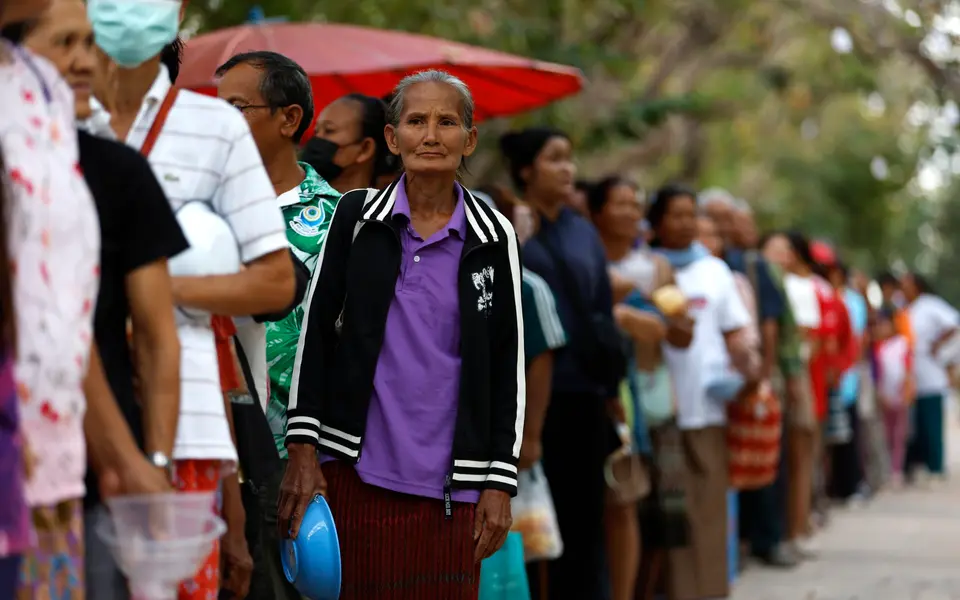
Since December 8, more than 40 people have died, including at least 13 civilians—an eight-year-old child, an infant, parents, and grandparents. Nearly 200 others have been wounded by rockets, artillery, and airstrikes. Between 330,000 and 600,000 people now crowd evacuation centers, sleeping on floors, rationing food, separated from everything they built over lifetimes.
The humanitarian emergency along the border has reached crisis levels. Evacuation centers lack adequate shelter, clean water, sanitation facilities, and medical supplies to support hundreds of thousands of displaced people. Families report severe food shortages and deteriorating mental health as displacement drags on. On the Thai side alone, 852 schools have closed and 7 hospitals have been damaged or shut down, denying children education and families access to healthcare when they need it most.
Thailand’s deployment of F-16 fighter jets has resulted in airstrikes that damaged bridges, civilian structures, and the UNESCO World Heritage site of Preah Vihear Temple, further escalating the violence and threatening irreplaceable cultural heritage.
“A territorial dispute cannot justify destroying the lives of more than half a million people,” said Rangsiman Rome, APHR Board Member and Member of Parliament of Thailand. “Thais and Cambodians share cultural heritage, trade relationships, and family ties across borders. Every day this conflict continues, more children miss school, more families lose homes, more communities lose trust in regional institutions meant to protect them,” Rome added.
APHR urges the international community—particularly the United Nations, ASEAN member states, and countries with influence over both Thailand and Cambodia—to apply immediate diplomatic pressure and facilitate negotiations that prioritize human lives over territorial claims.
Malaysia, as ASEAN Chair, brokered the Kuala Lumpur Peace Accord in October 2025 after both governments requested Malaysian mediation. With that accord now violated and fighting resumed, the Philippines—which assumed the ASEAN Chairship in late October 2025—must leverage its leadership position to pressure both governments to honor their commitments and cease all hostilities immediately. President Ferdinand Marcos Jr. and the Philippines must coordinate with Malaysia, which remains the trusted mediator both sides accepted, to back diplomatic efforts with unified ASEAN pressure and engagement with external partners to ensure ceasefire compliance.
“ASEAN-led conflict resolution cannot remain limited to expressions of concern and diplomatic engagement—it must result in tangible actions for peace on the ground, including a sustained ceasefire, the protection of civilians, and an immediate end to the conflict,” said Wong Chen, APHR Board Member and Member of Parliament of Malaysia.
APHR stands in solidarity with civilians forced into evacuation centres, children cut off from education, patients unable to access medical care, and communities devastated by the fighting. The international community must move beyond statements, secure an immediate ceasefire, and ensure real protection for civilians. The violence must stop. Border communities deserve safety and peace.

ASEAN Parliamentarians for Human Rights (APHR) was founded in June 2013 with the objective of promoting democracy and human rights across Southeast Asia. Our founding members include many of the region's most progressive Members of Parliament (MPs), with a proven track record of human rights advocacy work.